
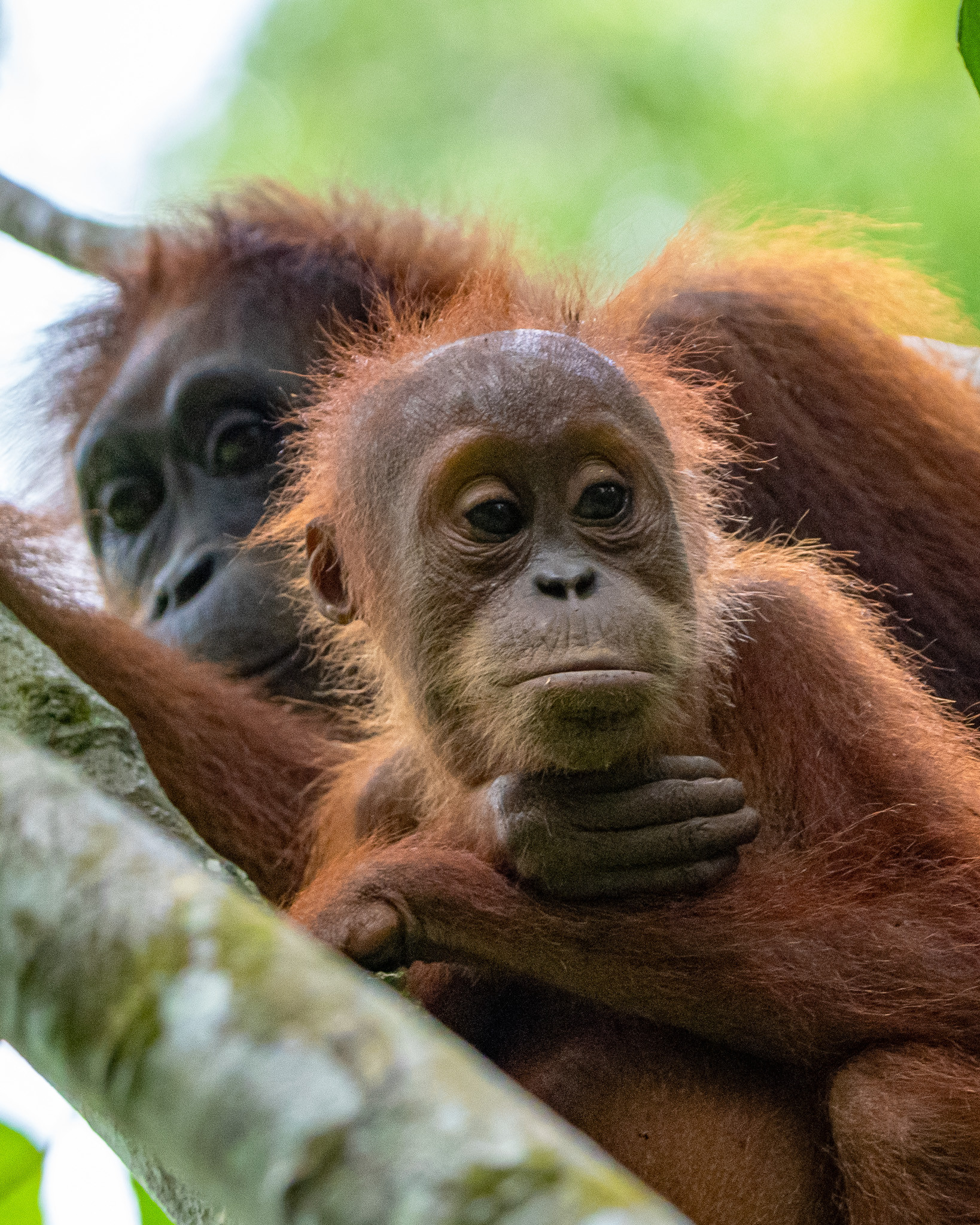
Indonesia · Sumatra
Sumatra EcoEconomy
Protecting the last stronghold of wild tigers, rhinos, elephants, and orangutans — through community-led conservation science and regenerative economic systems.
Papers & Documents
The Sumatra initiative began not with a plan, but with a Facebook message. I reached out to a man named Yaspi Putraga — who introduced himself on Facebook as “Ketambe Jack” — hoping to visit Ketambe village in Northern Aceh, Indonesia. Over two weeks of near-constant messaging (when our time zones allowed), we began exchanging thoughts, visions, and deep questions about what real conservation might look like. Then, Yaspi sent a message that shifted everything:
“Can you help me protect nature?”
That became the beginning of our collaboration — one that evolved from phone calls to a deeply aligned vision. Yaspi described the potential of his home region not only as a stronghold of biodiversity, but as a model for how economic sovereignty and ecological stewardship could go hand in hand. This vision became the foundation of our collaboration.
At its core, this work is about enabling local communities — not external organizations — to lead. We’ve created a regenerative employment pathway that transforms extractive roles into ones of stewardship. In 2025, we were able to employ 20 individuals, 16 of whom were formerly engaged in illegal logging, as trainee forest rangers. With structured capacity-building, they are learning GPS tracking, species identification, ecosystem monitoring, and patrol leadership.
This pilot model is scaling — and with it, a broader ecosystem of support is forming. Through the proposed Leuser Biosphere Reserve in the Kappi Area, some of Leuser's most pristine remaining areas, we are hoping to deploy a multi-layered conservation framework. This includes:
- Conservation credits tied to verified protection of flagship species — Sumatran tiger, orangutan, elephant — paying performance-linked income directly to the rangers doing the work.
- Spatial plans authored by the communities themselves, marking areas for protection, sustainable use, and cultural continuity.
- Ranger training that combines local knowledge with rigorous data protocols, run out of adaptive community hubs.
- Monitoring anchored on a public ledger so conservation outcomes are auditable without an external auditor.
This approach allows us to begin with what’s urgent — saving what’s left — while simultaneously building toward long-term, community-governed ecological and economic resilience. In Yaspi’s words: “It is not just the animals we’re protecting — it is the life we want to live with them.”
As we scale, we will continue to prioritize autonomy and continuity — ensuring that this model doesn’t create dependency, but momentum instead.
By the numbers
- Trainee rangers (2025)
- 20 · 16 formerly loggers
- Proposed expedition to Kappi Area
- 22 days
- Flagship species protected
- 4 · tiger · rhino · elephant · orangutan
- Training tracks
- Observer · Ranger · Educator
Aceh · Leuser Ecosystem
- Region
- Aceh, Northern Sumatra, Indonesia
- Ecosystem
- Leuser — last refuge of wild Sumatran tiger, rhino, elephant, and orangutan
- Proposed protection
- Leuser Biosphere Reserve · Kappi Area
- Field partner
- Yaspi Putraga · "Ketambe Jack" — local conservation lead
- Trainee rangers (2025)
- 20 employed · 16 formerly engaged in illegal logging
- Verification stack
- Ranger patrols · IoT sensors · AI-enabled camera traps · public-ledger audit
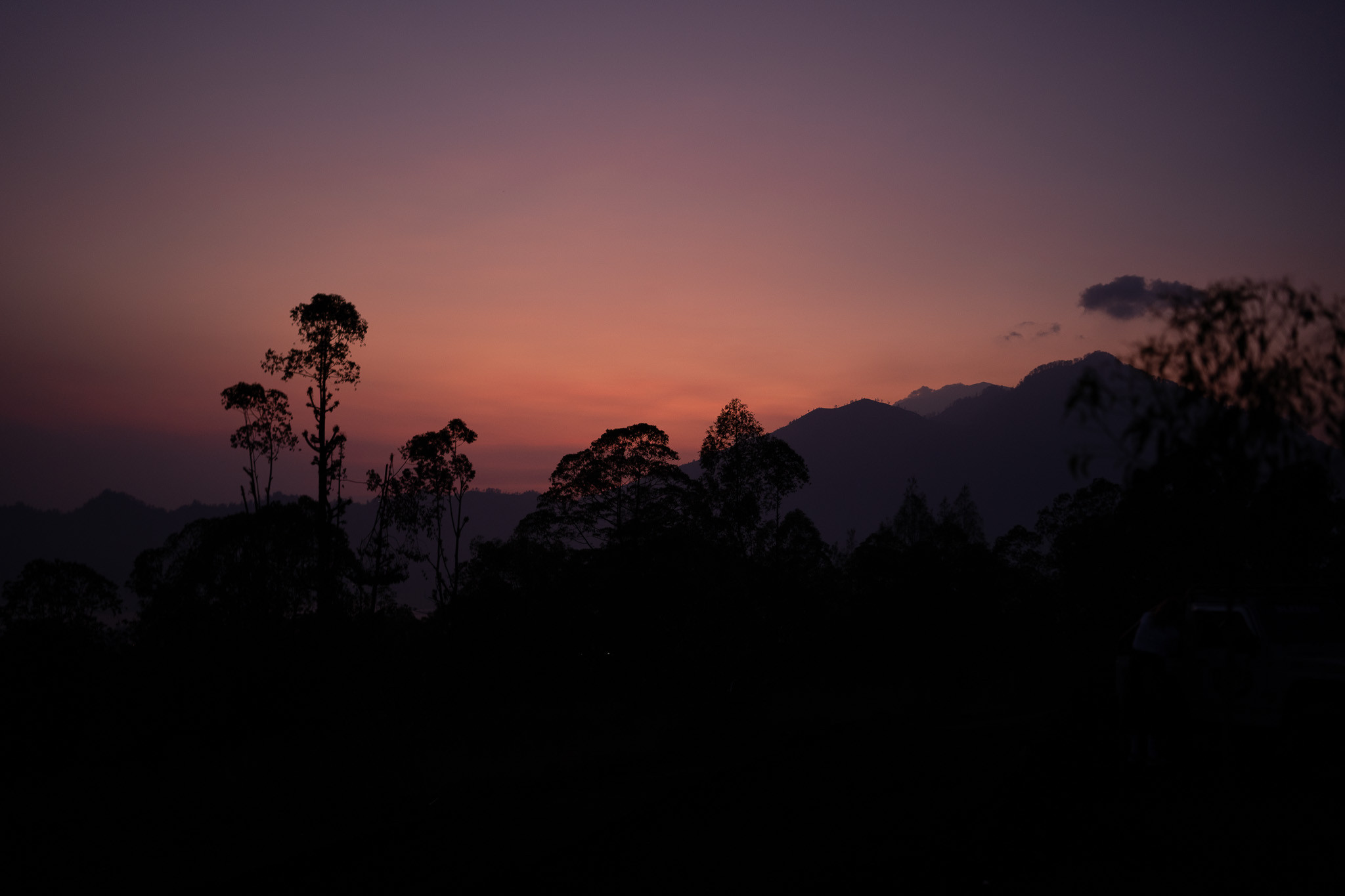
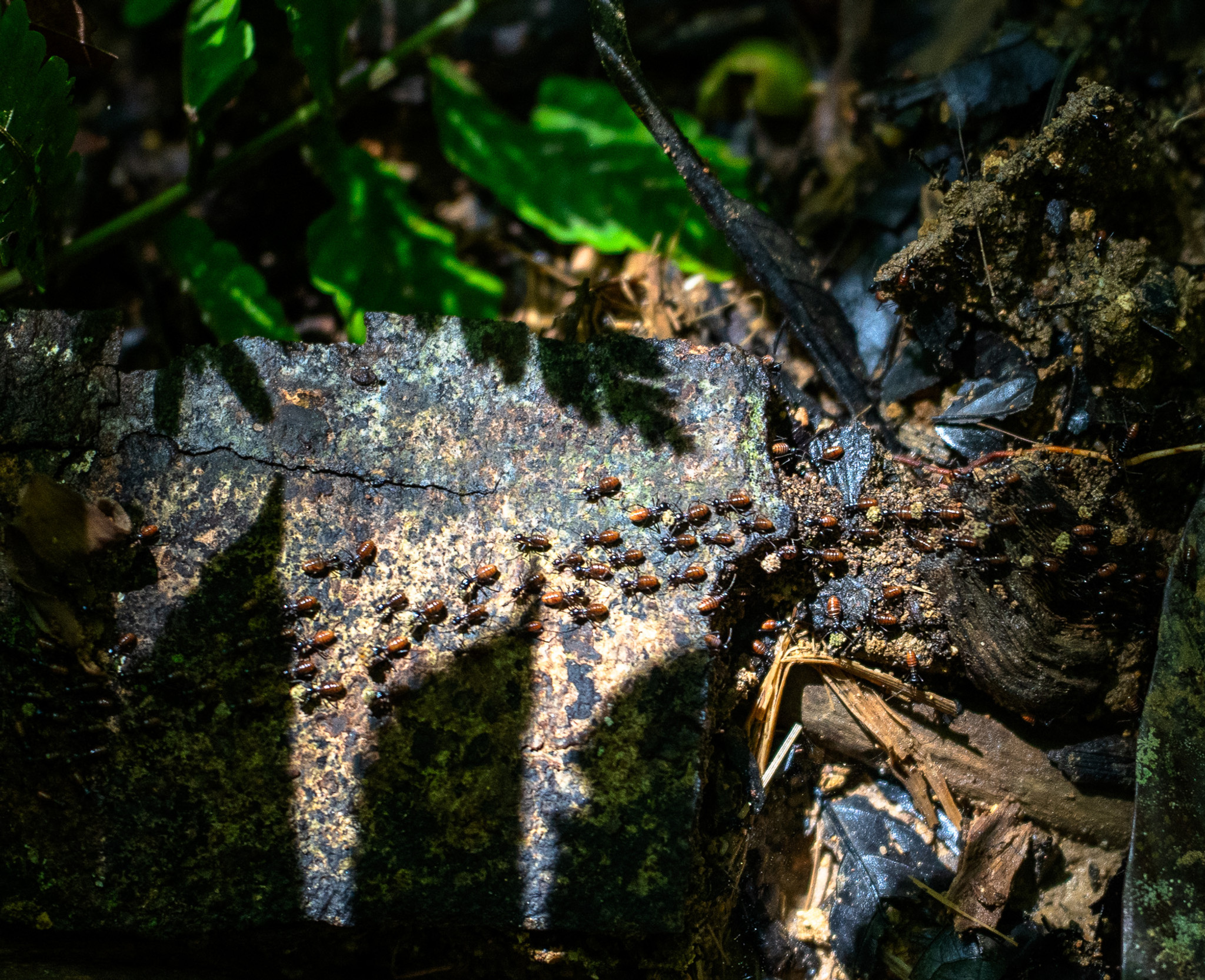
Field Photographs · 5 images
Lokobe, Nosy Be, Madagascar
Ketambe Village, Aceh, Indonesia
Ketambe Village, Aceh, Indonesia
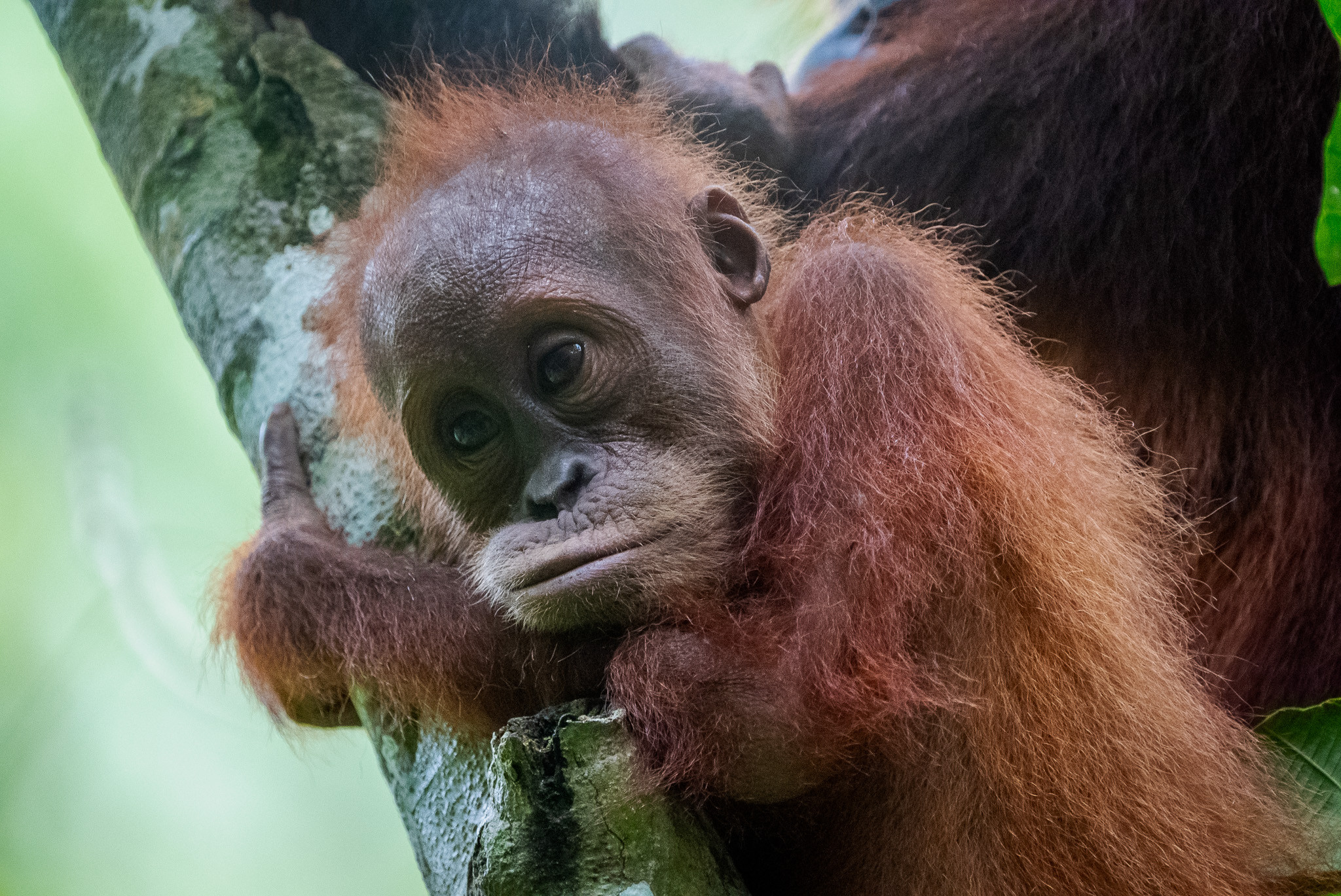 Ketambe Village, Aceh, Indonesia
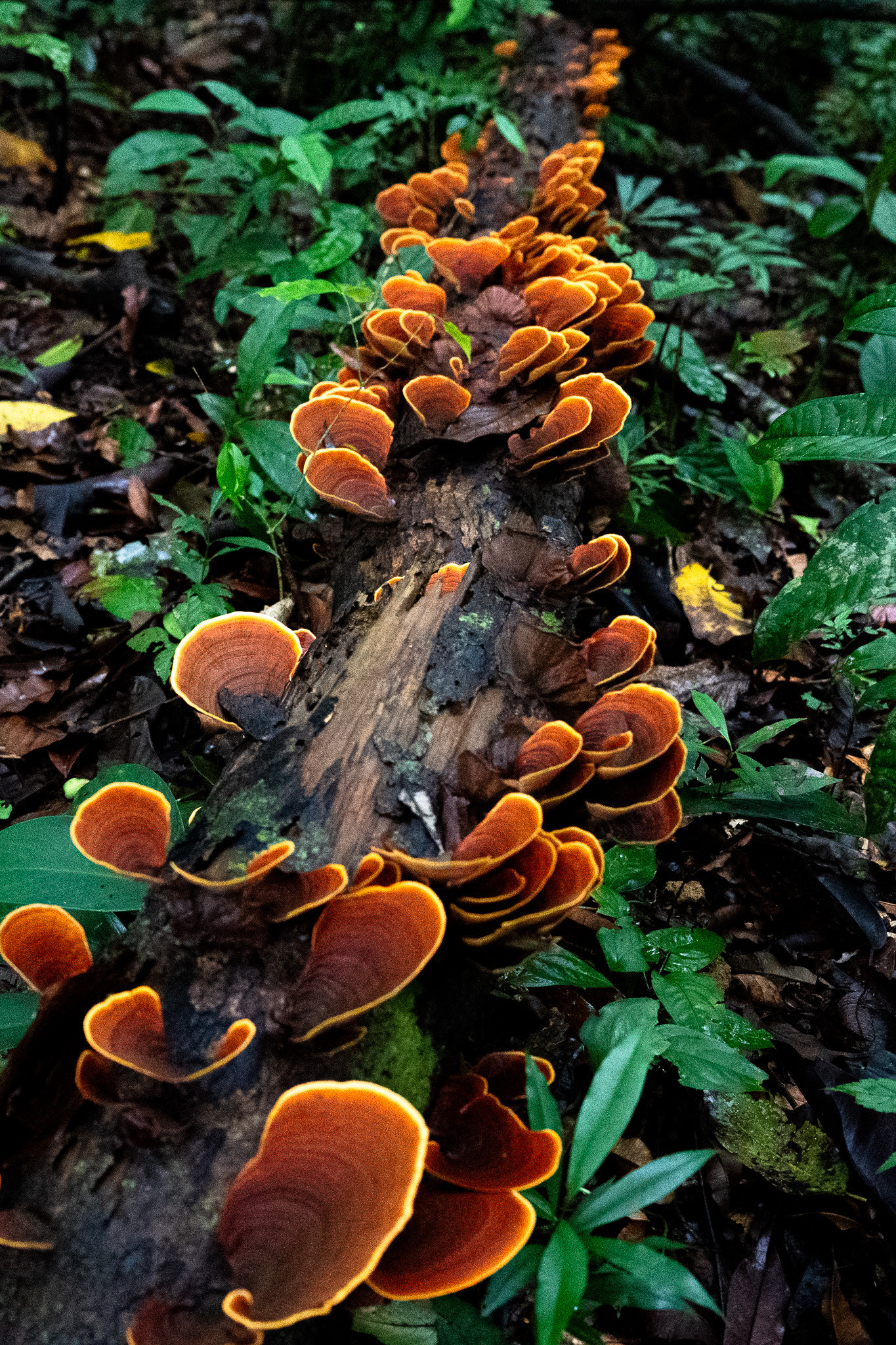 Biological Highway
Ketambe Village, Aceh, Indonesia
Biological Highway
Ketambe Village, Aceh, Indonesia
Other projects
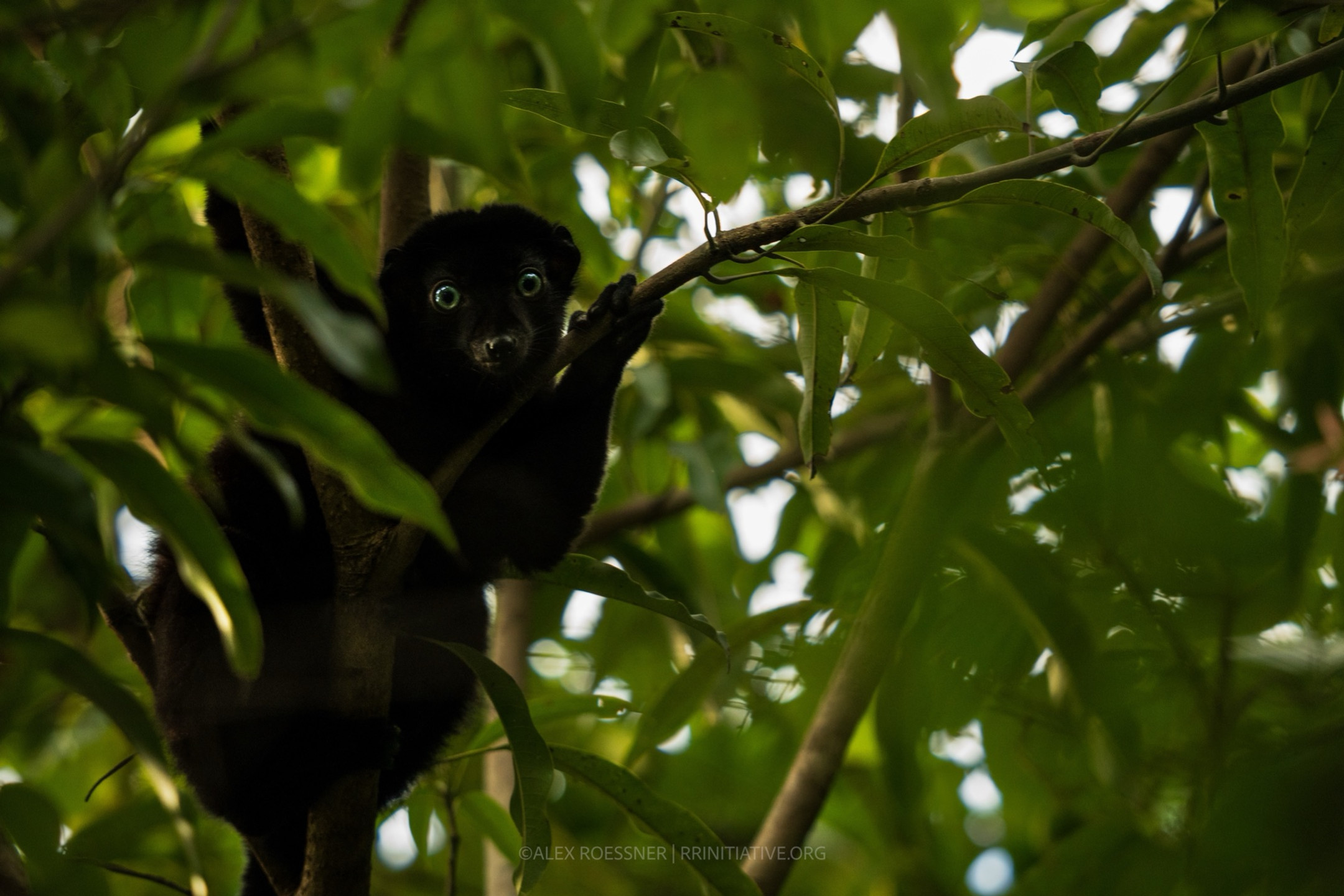
Madagascar
Madagascar
An expedition to a forgotten forest where a grassroots model is stopping deforestation — and saving a species on the brink.

Ecuador · Chocó
The Chocó
An expedition to document the wildlife of an unexplored forest on the brink of collapse.

Chile · Patagonia
Patagonia
An expedition to track and photograph wild pumas in Torres del Paine.