A framework paper on community-led energy DAOs for protected areas — published 2025.
Framework paper · 2025
Remote Conservation DAO
A framework paper on community-led energy DAOs for protected areas — published 2025.
Papers & Documents
RRI's Remote Conservation DAO project is, today, primarily a research framework, not a deployed system. The output is a 2025 paper — Empowering Remote Conservation through Digital Governance: A Framework for Implementing Community-Led Energy DAOs in Protected Areas — that proposes the RC-DAO (Remote Conservation DAO) as a governance pattern for the places where centralized infrastructure has consistently failed.
The premise is in the data. Roughly 759 million people lack reliable electricity, and 84% of energy-poor populations live inside biodiversity hotspots. Protected-area coverage is targeted to expand from 16.64% of terrestrial ecosystems to 30% by 2030. The places that need power, monitoring, and coordination most are the same places where top-down deployments tend to either never arrive or arrive on terms that strip local sovereignty out of the loop.
The framework's argument is that the bottleneck isn't the hardware. Solar microgrids, mesh networks, low-power sensors, and edge compute are well-understood. The bottleneck is governance: who decides when energy is allocated, what counts as a verified ecological outcome, who owns the data, who controls the maintenance contracts. The paper proposes encoding that governance directly — community-defined rules written into smart contracts, with seasonal ecological indicators, indigenous protocols, and multi-signature cultural-guardian approvals all running natively in code.
Concretely, an RC-DAO can:
- Set energy distribution priorities that reflect spawning seasons, breeding windows, and cultural calendars.
- Tokenize ecological services (verified habitat protection, reforestation, biodiversity outcomes) so communities capture the upside of their stewardship directly.
- Embed access controls that protect sacred or restricted ecological knowledge from leaking into open markets.
- Federate across regions — Amazon Basin, Pacific Islands, African savannas, Arctic — sharing standards while keeping each implementation locally rooted.
The paper grounds itself in established theory: Ostrom's commons governance, Buen Vivir philosophies, UNDRIP and FPIC standards, the CARE Principles for Indigenous Data Governance. It also names the practical constraints honestly — initial setup costs, capacity-building demands, the legal uncertainty of smart-contract enforceability across jurisdictions, and the genuine risk of token economies drifting toward the very market-driven logic the framework is meant to replace.
What this project is not, today: a deployed system. The next phase is pilot pathways — identifying communities and protected areas where the legal scaffolding, ecological need, and indigenous co-management readiness all align. RRI's role is to publish, refine, and find the right partners. The full paper is linked above.
By the numbers
- Without reliable electricity
- 759M
- Energy-poor in biodiversity hotspots
- 84%
- Protected-area target by 2030
- 30%
- Currently protected (terrestrial)
- 16.64%
The framework paper
- Title
- Empowering Remote Conservation through Digital Governance: A Framework for Implementing Community-Led Energy DAOs in Protected Areas
- Author
- Alex Roessner
- Published
- 2025
- Wikidata
- Q139583618
- Format
- Framework paper · open access
- Status
- Awaiting pilot deployment partners
What an RC-DAO encodes
| Layer | What it does |
|---|---|
| Energy substrate | Solar microgrids, micro-hydro, mesh networks, edge compute — sized to community draw, maintained locally. |
| Governance layer | Smart contracts encoding seasonal ecological indicators, cultural protocols, multi-signature approval flows. |
| Token economy | Ecological services, cultural contributions, intergenerational knowledge transfers — tokenized and tradable on community terms. |
| Data sovereignty | CARE Principles · permissioned blockchain · access controls for sensitive ecological and cultural knowledge. |
| Federation | Cross-regional networks of RC-DAOs sharing standards while preserving local epistemologies. |
Other projects
Indonesia · Sumatra
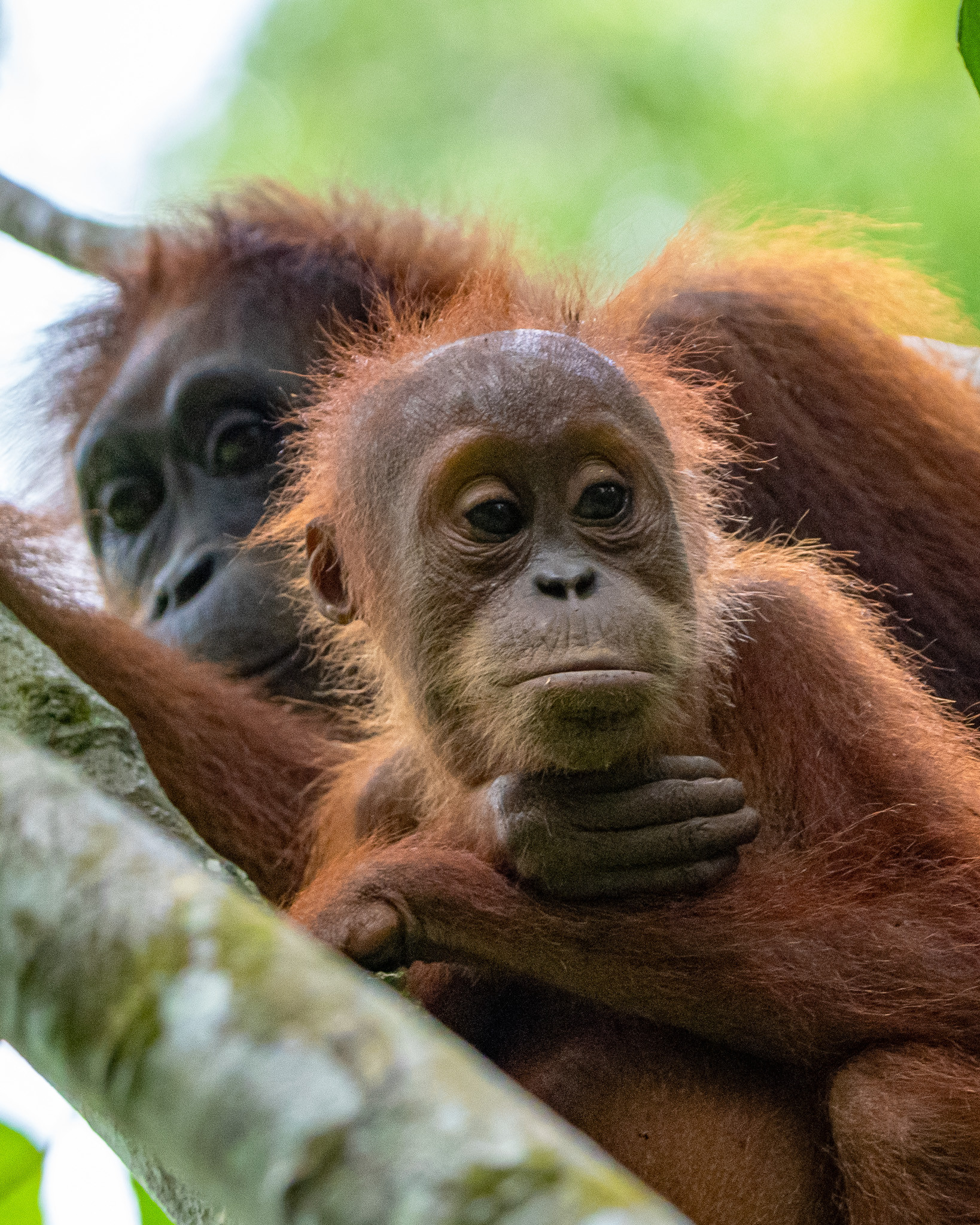
Sumatra
Protecting the last stronghold of wild tigers, rhinos, elephants, and orangutans — through community-led conservation science and regenerative economic systems.
Madagascar
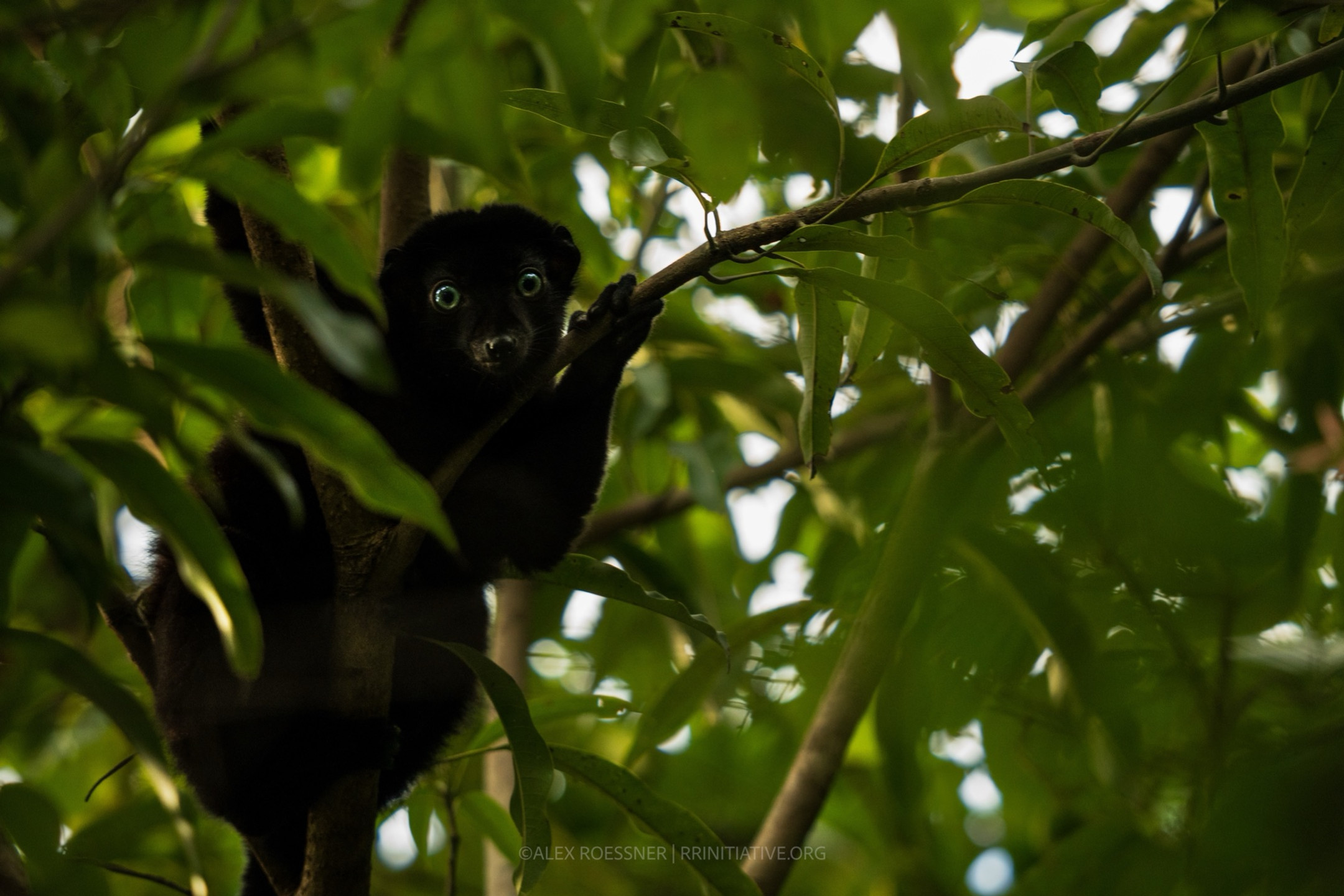
Madagascar
An expedition to a forgotten forest where a grassroots model is stopping deforestation — and saving a species on the brink.

Ecuador · Chocó
The Chocó
An expedition to document the wildlife of an unexplored forest on the brink of collapse.